
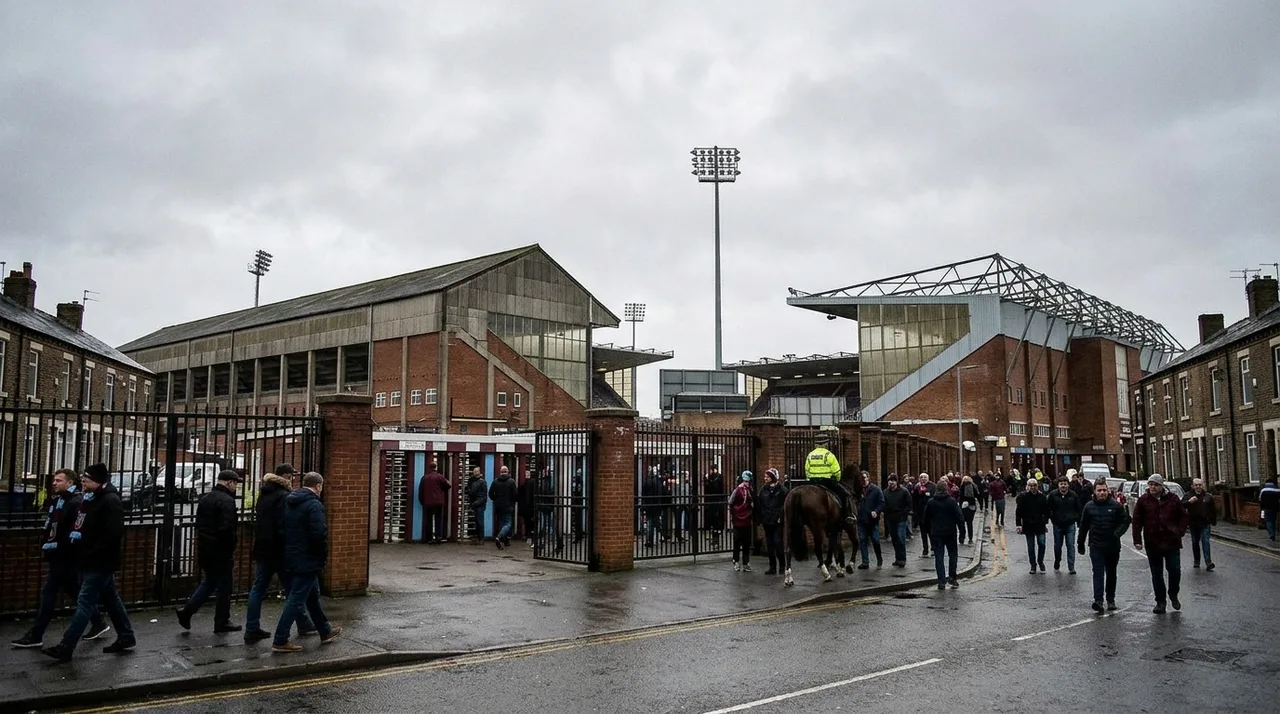
The company that owns Burnley Football Club is in contact with Companies House after receiving a compulsory strike-off notice, adding another layer of off-pitch turbulence to an already troubled season for the Championship club.
Velocity Capital (UK) Holdings, the UK investment arm of ALK Capital, received the notice dated 3 November 2026, having failed to submit its accounts on time. A strike-off notice, if not successfully challenged, can result in a company being removed from the Companies House register and ceasing to exist as a legal entity.
An ALK Capital spokesperson responded with what reads very much like a standard press-release assurance: "We are aware of the notice issued by Companies House and are taking the necessary steps to resolve the matter. Our company secretarial advisers are in direct contact with Companies House, and we are working closely with our external accountants and auditors to finalise the outstanding accounts. We expect to make the necessary filings in the coming weeks and remain fully committed to bringing our reporting obligations up to date as quickly as possible."
The debt picture
The timing matters. According to the club's latest accounts, covering the period to July 2025, Burnley's financial debt jumped from £30m to £142m in a single twelve-month period. That is a figure worth dwelling on: a near fivefold increase in one year, against the backdrop of relegation from the top flight and now a difficult return to the second tier.
ALK Capital acquired Burnley in 2020 via a leveraged buyout that included a £65m loan from investment company MSD. That debt has since been refinanced, but the overall debt load disclosed in the accounts underlines the financial pressure bearing down on the Turf Moor operation.
The ownership structure has always drawn scrutiny from supporters who understand what it means for a club to be held rather than stewarded. Leveraged takeovers shift risk onto the club itself; the latest accounts suggest that risk has grown substantially.
A club in crisis on and off the pitch
The Companies House notice arrives at a particularly fragile moment. Burnley sit 22nd in the Championship after a miserable start to the season. Head coach Nicky Hayen was sacked at the weekend following just 14 games in charge, and the club has since appointed Diego Lopez as chief football officer, tasking him with leading the search for a replacement manager as well as overseeing recruitment and sporting structure.
The club has not won a home league match since a victory over Leeds United at Turf Moor more than a year ago, a run that stretches back into their time in the top flight. That context makes the administrative and financial picture all the more concerning for supporters: the club needs investment in the squad and stability in leadership at the very moment its ownership vehicle is being questioned by the company registrar.
What happens next
Companies House issues compulsory strike-off notices when a company fails to meet its filing obligations. The process does allow the company time to respond and file the outstanding documents, which is what ALK Capital says it intends to do. If the accounts are filed and accepted, the notice can be lifted and the company continues to operate normally.
However, the fact that accounts covering the period to July 2025 have not yet been filed is itself a disclosure concern. Companies are ordinarily required to file accounts within nine months of their financial year end for private companies. The delay, combined with the scale of the debt increase revealed in those same accounts, is the kind of detail that supporters and creditors alike will be watching closely.
ALK Capital's spokesperson says the filings will be made "in the coming weeks." Burnley fans will hope that timetable is met, and that the club's ownership can demonstrate the financial stability required to mount any kind of recovery in the second tier.
Frequently asked
- What is a compulsory strike-off notice from Companies House?
- A compulsory strike-off notice is issued by Companies House when a company fails to meet its legal obligations, such as filing accounts on time. If the company does not respond and resolve the issue, it can be removed from the register and cease to be a legal entity.
- How much debt do Burnley have?
- According to Burnley's latest accounts to July 2025, the club's financial debt increased from £30m to £142m in a single twelve-month period.
- Who owns Burnley FC?
- Burnley are owned by ALK Capital, which acquired the club in 2020 via a leveraged buyout. The UK holding vehicle is called Velocity Capital (UK) Holdings, which is the entity that received the Companies House strike-off notice.