
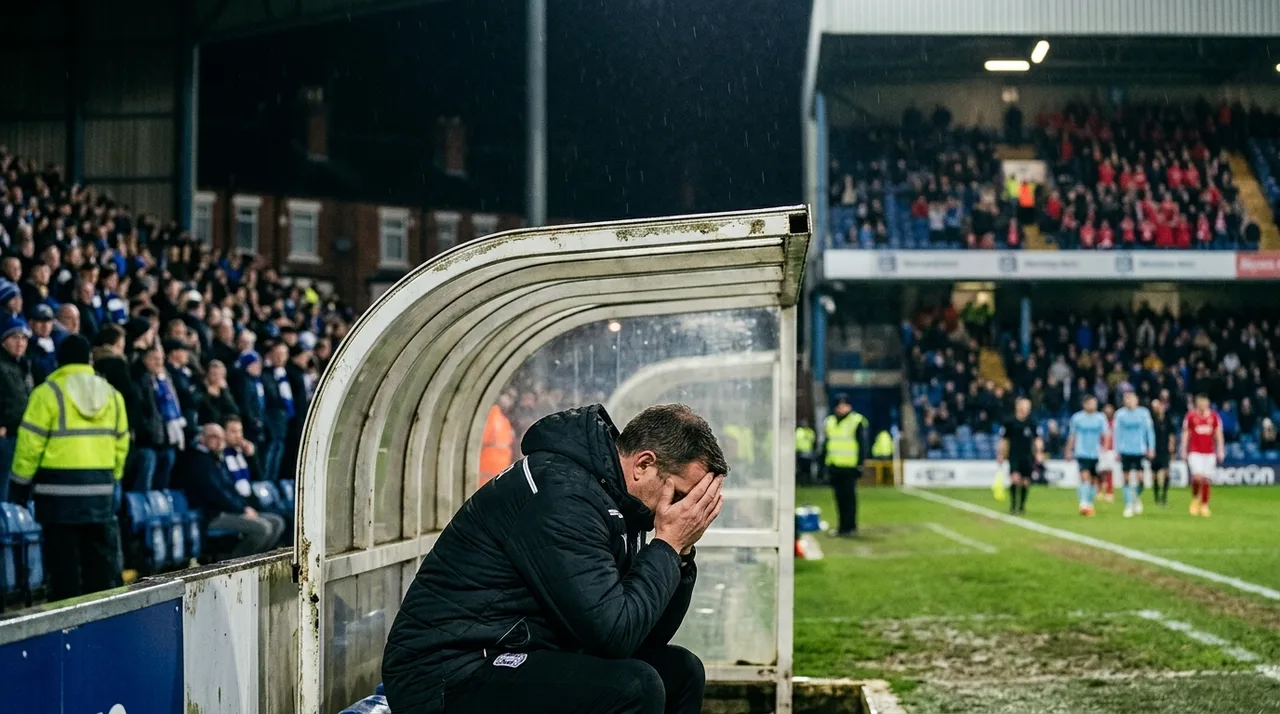
West Brom's unbeaten start to the Championship season came to an end on 29 August as Middlesbrough inflicted what James Morrison described as a damaging and avoidable defeat, with the Baggies head coach pointing directly at the timing of the goals conceded as the decisive factor.
Morrison: The moments killed us
Speaking after the final whistle, Morrison did not shy away from identifying what undid his side. "The timing of the goals were poor," he said, a phrase that captures something specific: conceding at moments when West Brom had momentum, or when the scoreline demanded discipline above all else.
That kind of criticism cuts deeper than a complaint about quality. It points to concentration lapses at set moments in the game, the sort of thing a side with promotion ambitions must eradicate over a long season. A goal just before half-time, or one in the opening minutes after the restart, can reshape a contest entirely, and Morrison appeared to be signalling exactly that pattern.
A bright start interrupted
The defeat arrives after a promising opening to the campaign. The Baggies had beaten Burnley 3-1 earlier in August, a result that drew widespread attention and raised expectations at The Hawthorns. That win pointed to a side capable of pressing with intent and converting chances cleanly. The loss to Middlesbrough is the first blemish on that record, but Morrison will want his players to treat it as a single data point rather than a trend.
West Brom also recently completed the signing of winger Kareem Tunde from Levante, reinforcing the squad's attacking options, while off-pitch activity saw Krystian Bielik depart for Cardiff City. Morrison now has to balance a squad still settling into new shapes and relationships, which makes the timing of conceding goals a doubly important issue: coherence at the back is still being built.
What changes next
Morrison's post-match reaction suggests he regards this as correctable. Pinpointing timing rather than individual errors or tactical failures implies the patterns are identifiable, which means they can be drilled on the training pitch. The concern for supporters will be whether the backline can raise its concentration levels consistently over the 46-game grind of a Championship season.
Middlesbrough will count as a stern test regardless of where they eventually finish, and a defeat to a side of that calibre need not define West Brom's campaign. What Morrison will demand is an immediate response. The Championship punishes sides that allow a single setback to become two, then three.
With a squad that still carries genuine quality and a head coach who has shown he can organise a high-scoring win, West Brom remain well placed in the second tier. But the lesson Morrison takes from this defeat is clear: in tight matches at this level, the moment a goal arrives can matter as much as the goal itself.
Frequently asked
- Why did West Brom lose to Middlesbrough?
- Head coach James Morrison cited the timing of the goals conceded as the main reason for the defeat, suggesting his side lost concentration at critical moments in the match.
- Is this West Brom's first defeat of the Championship season?
- Yes. The loss to Middlesbrough on 29 August 2026 was West Brom's first defeat of the Championship season, ending their unbeaten start.
- How has James Morrison started as West Brom manager?
- Morrison's start included a notable 3-1 win over Burnley in August, but the defeat to Middlesbrough is the first setback of his side's Championship campaign.