
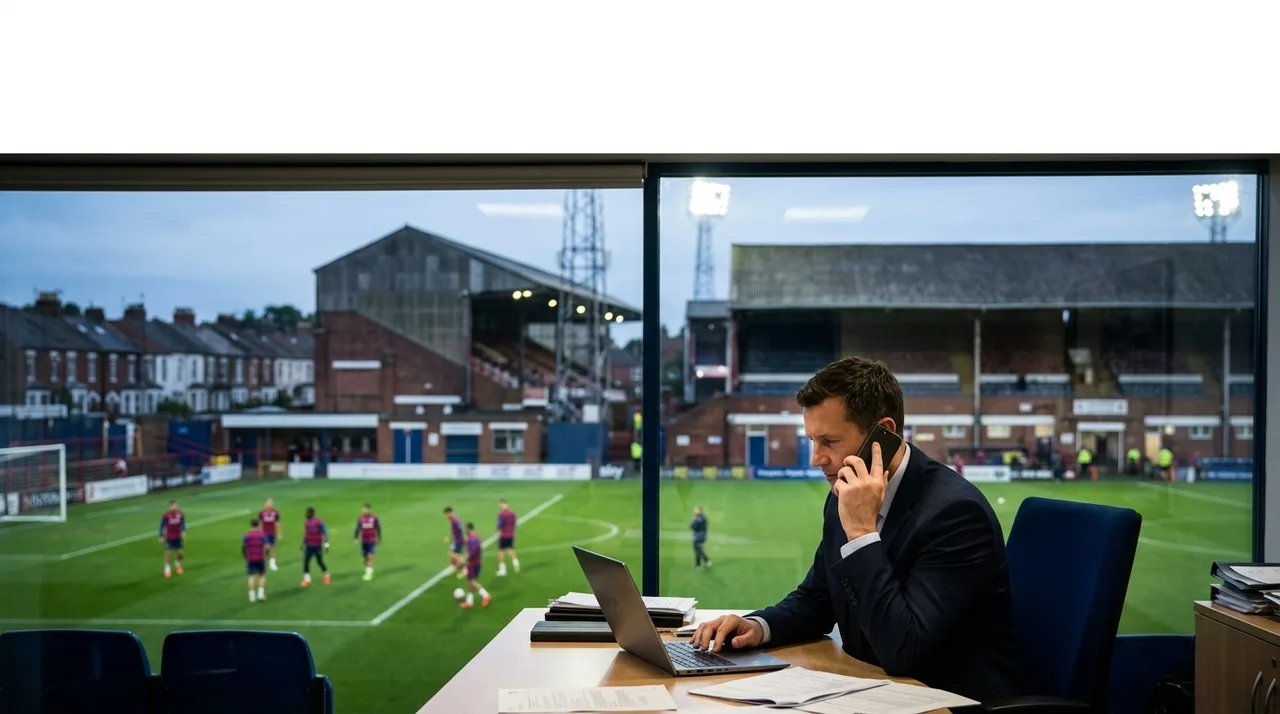
Norwich City sporting director Ben Knapper has spoken candidly about the difficulties of working the transfer window on a day when Championship clubs were simultaneously playing matches, describing the situation as "chaos" and calling for better planning across English football.
A deadline day without precedent
Tuesday's summer transfer deadline fell on the same date as 27 EFL fixtures spanning the Championship, League One and League Two, with those games finishing roughly an hour before the window closed at 23:00 BST. According to BBC Sport, nothing quite like it has been seen in the modern era: the last comparable occasion was in August 2004, and even then only five matches were scheduled.
For Knapper, the logistics were particularly acute. While the Canaries were in action against Stoke City at the bet365 Stadium, he was given workspace by the host club to continue negotiations — a gesture he publicly acknowledged with gratitude. But the broader principle, he argued, was far from satisfactory.
"It's chaos when you're playing games that evening as well," Knapper told the BBC's 72+ EFL podcast. "It definitely adds another dimension and not just for people like me, but for players, for head coaches, for everyone really."
Unnecessary pressure for clubs and staff
Knapper was measured but firm in his assessment, suggesting that EFL clubs are broadly united in viewing Tuesday's arrangement as "far from ideal". The pressure of deadline day is considerable at any Championship club; layering in a competitive match, with its associated travel, team-selection discussions and pre-match preparation, compounds an already strained environment.
"It adds unnecessary pressure and logistical challenges," he said. "I think if it was possible for that not to be the case, it would make everybody's lives easier. It might add to the drama in some ways maybe, but people in my kind of role, the less drama we can have, the better, that's for sure."
Knapper also touched on a longer-running structural question: whether the transfer window should close before the competitive season begins rather than remaining open several weeks into it. He indicated he would support that position, reflecting a view held by a number of sporting directors and managers across the second tier.
Why did it happen?
BBC Sport understands a combination of factors has squeezed the available fixture dates in the EFL calendar. The expansion of international competitions, a revised international match calendar and the growth of Uefa club competitions have all reduced midweek slots. The EFL also needs to hold dates in reserve for potential postponements, further limiting flexibility.
Transfer window dates are set in conjunction with the Football Association and the Premier League, with alignment to continental leagues also a consideration. Crucially, according to the report, the specific deadline day date was not yet confirmed when EFL clubs were consulted during broader scheduling discussions, meaning their input could not account for the clash.
A wider complaint across the EFL
Knapper's frustration was echoed by voices from lower down the football pyramid. Colchester United manager Danny Cowley, whose League Two club faced the same situation with all 24 sides in action that day, was notably more pointed in his criticism — highlighting how the burden falls hardest on smaller clubs with leaner transfer operations.
For Championship clubs such as Norwich, which typically have more resource in their recruitment departments, the situation was disruptive rather than unmanageable. But Knapper's public comments suggest there is appetite among second-tier sporting directors to push for structural reform, both on window timing and on the scheduling of fixtures around it.
Whether the EFL, the FA and the Premier League can arrive at a more co-ordinated solution ahead of future deadline days remains to be seen. For now, Knapper's account offers a rare and candid look at the behind-the-scenes reality of running a Championship club's transfer operation in real time.
Frequently asked
- Why were EFL games played on transfer deadline day?
- According to BBC Sport, a congested football calendar caused by expanded international competitions and Uefa club events reduced available fixture dates, leaving the EFL with limited options. The transfer deadline date was also not confirmed when clubs were consulted during scheduling discussions.
- What did Norwich City's sporting director say about deadline day fixtures?
- Ben Knapper described the situation as 'chaos', saying it added unnecessary pressure and logistical challenges for players, coaches and recruitment staff. He also indicated he would support the transfer window closing before the competitive season begins.
- Has a full EFL fixture programme ever been played on transfer deadline day before?
- Not in the modern era. The most recent comparable occasion was in August 2004, but even then only five games were scheduled. Tuesday's programme of 27 EFL matches on deadline day was described as unprecedented.