
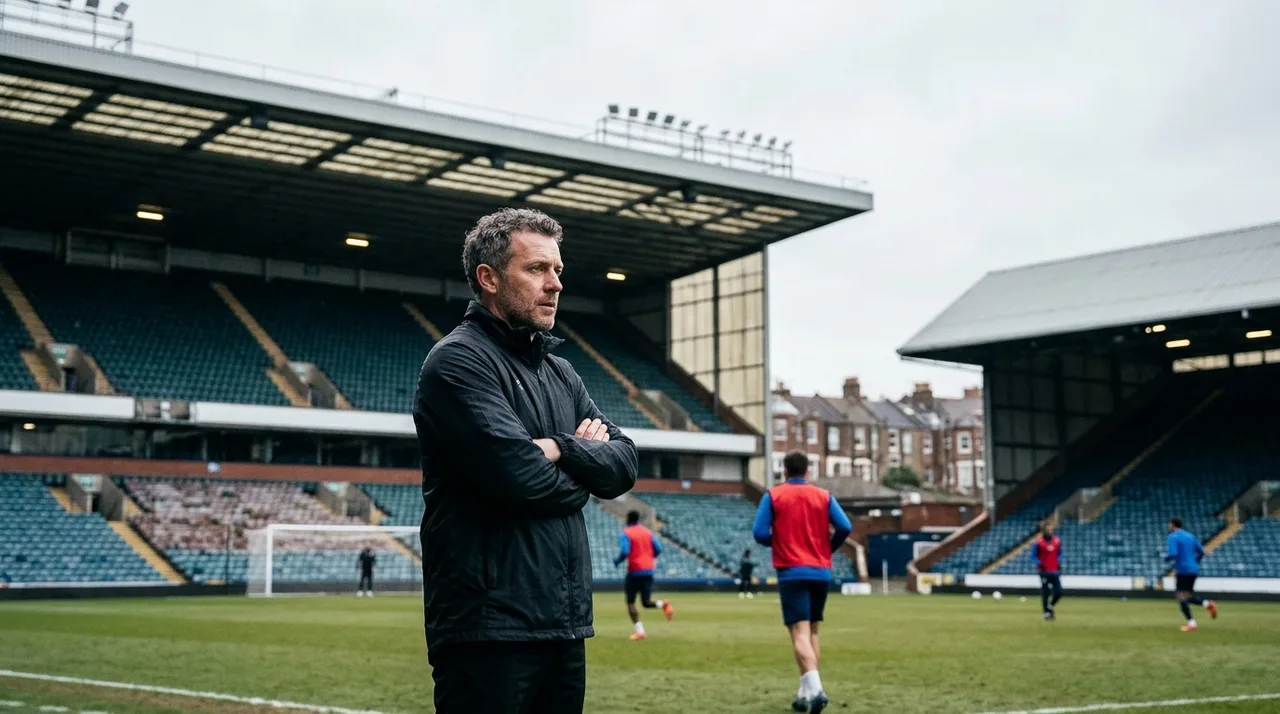
Three weeks without a Championship fixture is a double-edged sword for any manager, and at Deepdale that tension is particularly sharp this autumn. Graham Alexander arrived at Preston North End as a replacement for the sacked Paul Heckingbottom, one of three EFL coaches to have already lost their jobs this season according to a BBC Sport analysis of the managerial merry-go-round. The international break, now extended to three weeks rather than the traditional fortnight, offers Alexander both a rare window to embed his ideas and a period of uncomfortable scrutiny he could do without.
What the data says about sackings and breaks
The BBC's figures are worth pausing on, because they complicate the assumption that clubs routinely use international breaks to swing the axe. Over the past decade, only two Premier League managers have been dismissed during the September stoppage. The October break has claimed just two more. November is historically when the guillotine falls most reliably, with six dismissals in ten years. The pattern, broadly, is that clubs do not wait for a break to act; they act when the results become untenable, and the break simply happens to coincide sometimes.
That is relevant to Preston's situation. Alexander was brought in because results under Heckingbottom had already become untenable, not because a convenient calendar gap presented itself. Preston fans, as our recent coverage shows, remain divided on whether a returning club legend is the right call, regardless of timing. The three-week pause does not change the underlying challenge: the squad Alexander inherited is under-strength in areas, and results have been mixed.
A chance to prepare, or a momentum killer?
Former manager Tony Pulis, writing for the BBC, makes a point that rings true for second-tier clubs as much as top-flight ones. International breaks give an incoming manager time to assess his squad, introduce his principles and prepare properly for the first fixture back. For Alexander, who joined with the season already under way, that time is genuinely valuable. He has not had a normal pre-season, he has not chosen his own squad shape, and he is still learning which players respond best to his methods.
The counter-argument, which Pulis also acknowledges, is that a break in rhythm hurts everyone. Preston were beginning to show some signs of life: a Lancashire derby win lifted spirits and suggested Alexander's "commitment is non-negotiable" message was starting to land. Losing that momentum for three weeks, with international call-ups and the attendant injury risk, is a genuine concern.
Where Preston sit in the wider picture
It is worth being honest about the limits of what we can conclude here. We do not have the granular numbers to say whether Preston's underlying performance data justifies optimism or alarm. What we do know is that Alexander replaced a manager whose points return at the start of the season left the club in a difficult position, and that early Championship standings can be deceptive in either direction at this stage of the campaign.
The broader pattern from the BBC's analysis suggests that if Preston's results remain poor after the break, the pressure will build more sharply from October onwards. That is when, historically, boards have been more willing to act. Alexander, to his credit, walked into this knowing the scale of the task. He said returning to Preston felt like home; home, right now, needs some structural work.
The next three weeks will not settle Preston's season. But they may well define whether Alexander gets the breathing space to shape it on his own terms, or whether the questions that have hung over Deepdale since last spring simply grow louder when football resumes.
Frequently asked
- Why was Paul Heckingbottom sacked by Preston?
- Heckingbottom left Preston early in the current Championship season after a poor run of results. He is one of three EFL managers to have lost their jobs so far this campaign, according to BBC Sport.
- How is Graham Alexander getting on as Preston manager?
- Alexander has made a mixed start since replacing Heckingbottom, with some positive results including a Lancashire derby win, but Preston remain in an uncertain position in the Championship table.
- Does the international break make it more likely Preston will sack their manager?
- Historical data suggests clubs rarely use the September international break to dismiss managers. The pressure tends to mount more in October and November, so Alexander is unlikely to face an immediate threat during this particular pause.