
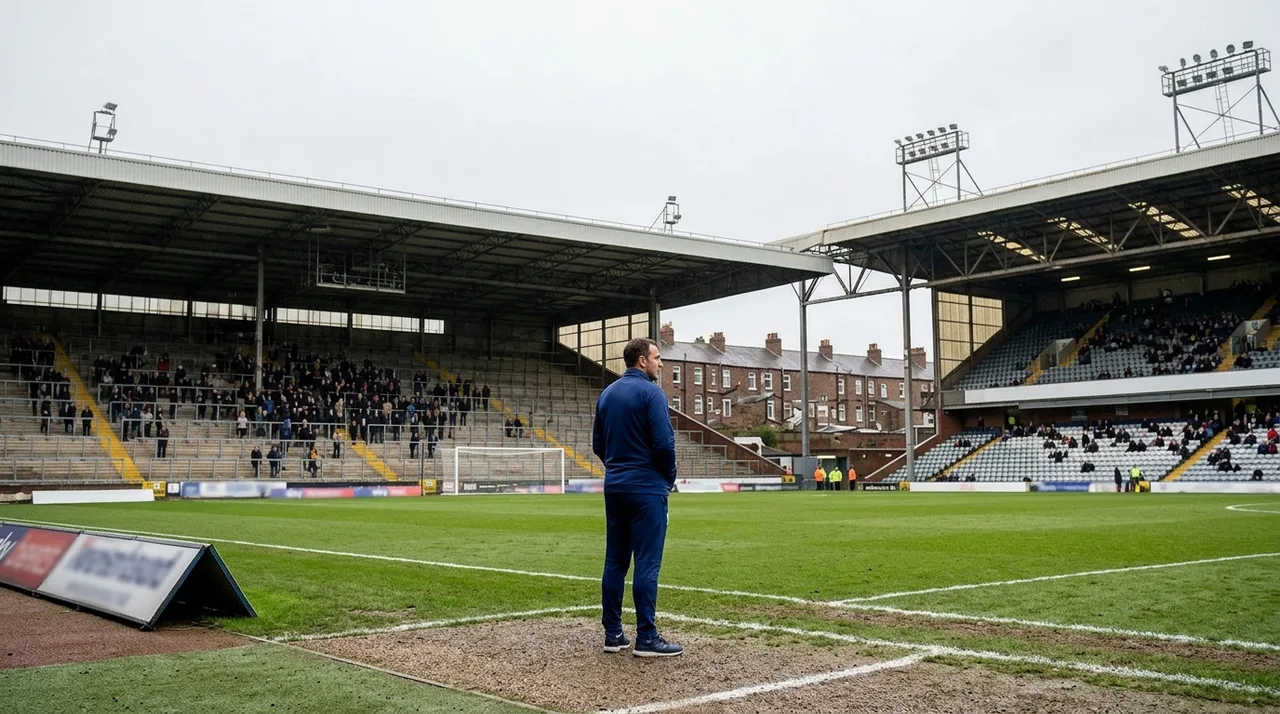
Three Championship managers have already lost their jobs before the first significant international break of the season has even begun. Preston North End were one of the clubs to act early, parting ways with Paul Heckingbottom in the opening weeks of the campaign. The question now, with a three-week break creating an unusually long pause in proceedings, is whether any more second-tier bosses will follow before league football resumes.
Preston's early decision and what came next
Heckingbottom's exit at Deepdale was the first managerial casualty of the Championship season, and the circumstances he left behind have been well-documented. Preston moved swiftly to bring in Graham Alexander, whose early tenure has been defined less by results than by a genuine attempt to shift the mood around the club. The early signs, including a Lancashire derby win, suggested the appointment was at least stabilising the ship. Whether Alexander has done enough in his short time in charge to feel comfortable heading into a three-week break is a legitimate question, though the mere existence of the break should not of itself sharpen concerns around him.
Why the timing of breaks matters more than people admit
Tony Pulis, who managed at several clubs across the top two divisions over a long career, has offered a blunt explanation of the mechanics here. International breaks give boards time to identify and bed in a replacement without disrupting a run of fixtures. The October and November pauses have historically been the flashpoints. The September break, Pulis argues, comes too early in the season for most clubs to act with conviction, though it does give boards the opportunity to begin internal conversations if results are not improving.
The data supports that reading. Over the past decade, only two top-flight managers have been replaced during this particular break, and the pattern is similar across the Football League. That does not mean jobs are safe, only that the axe tends to fall in the days around the break rather than during it. Clubs sack managers when the pressure becomes intolerable; the break simply provides a convenient operational window.
Three-week gap is longer than usual
This season's September pause is extended to three weeks rather than the customary two, and it arrives later in the calendar than the traditional early-September slot. That combination makes it slightly more dangerous for struggling managers. A fortnight is long enough to let frustration among supporters fester, but three weeks gives a board more time to think, negotiate and eventually act. Whether that translates into further Championship departures remains to be seen.
For clubs who have already changed manager, the break is arguably more useful. Alexander, for instance, can use the time to work on the training ground without the pressure of a Saturday result looming. Preparation time is precious for any new head coach, and the longer the break the more opportunity he has to embed his ideas with the squad.
The wider picture at Preston
Preston's position illustrates a broader truth about managerial turnover in the Championship. The division moves quickly; clubs with ambitions that outpace their results tend not to wait long before acting. Heckingbottom's exit came early enough that the club had reasonable time to regroup, and Alexander's arrival with strong ties to the club was framed as a considered rather than a panicked appointment.
Whether the break proves a moment of consolidation or renewed anxiety at Deepdale will depend largely on the results that follow when league football returns. Three weeks is a long time to sit with the table as it stands. For Alexander, who has spoken repeatedly about commitment to the club's identity, that is a challenge and an opportunity in equal measure. We do not yet have enough of a sample to judge his tenure fairly, but the next run of fixtures after the break will tell us considerably more.
Frequently asked
- Why did Preston sack Paul Heckingbottom?
- Preston parted ways with Heckingbottom early in the season after a difficult start. The club moved quickly to appoint Graham Alexander as his replacement.
- Who is Preston's manager now?
- Graham Alexander is the current Preston North End manager, having been appointed after the departure of Paul Heckingbottom this season.
- Do clubs sack managers during international breaks?
- It is relatively rare for clubs to make managerial changes during an international break, though it does happen. The break can prompt internal discussions, with changes often following shortly after fixtures resume.